Frequently asked questions
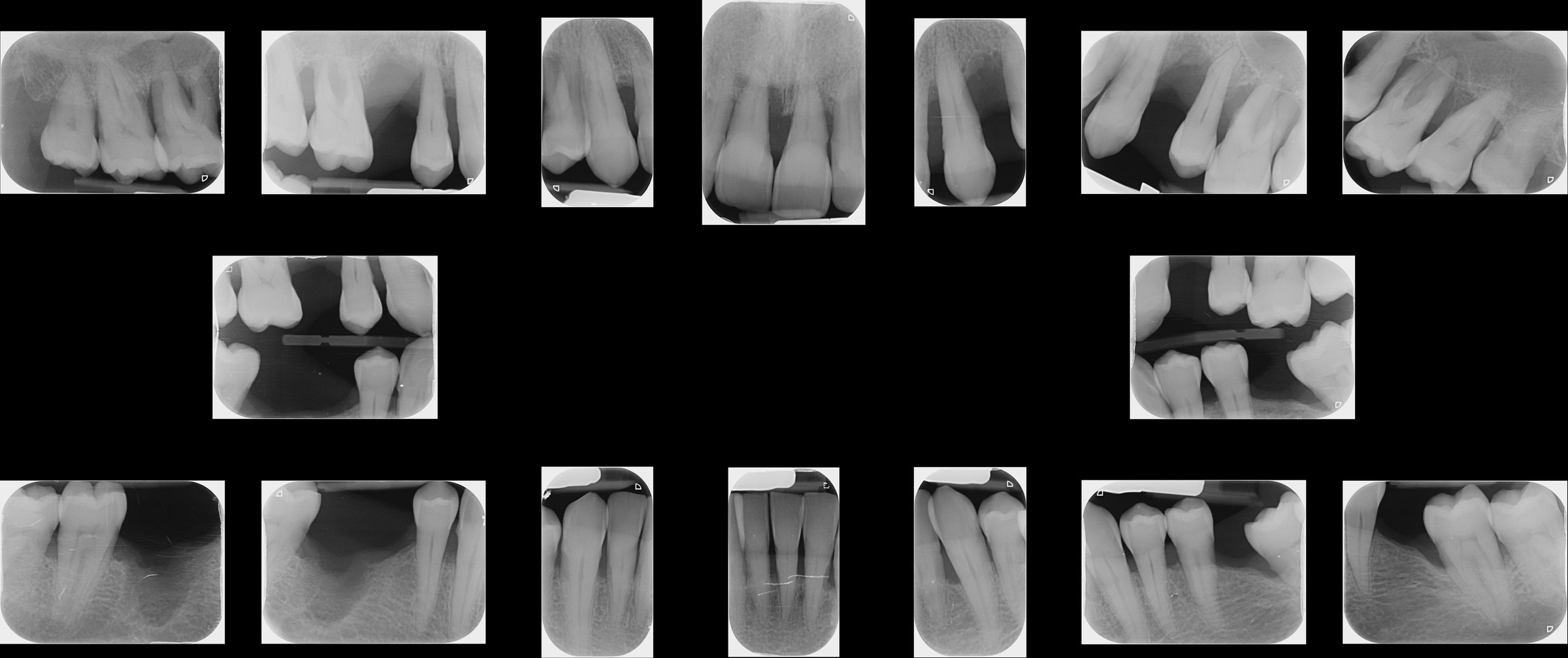
Tooth agenesis
Can a congenitally missing tooth always be replaced with an implant?
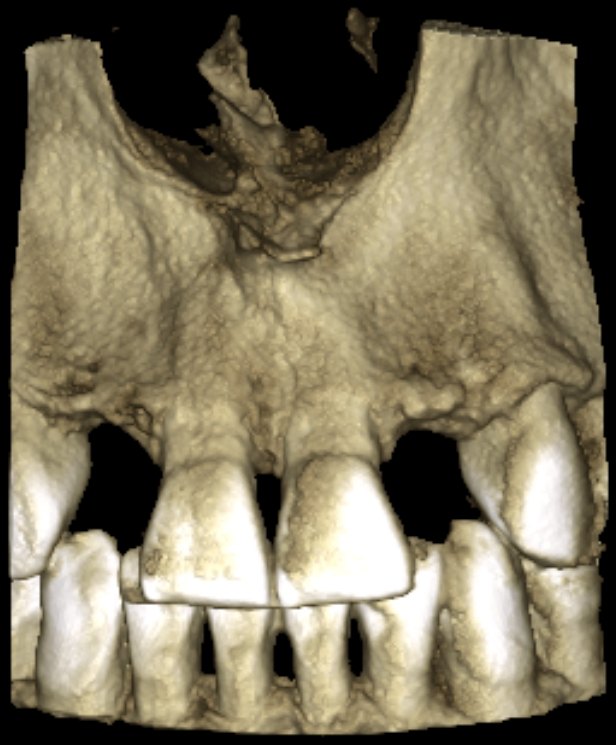
Not always. It depends on the available bone, age (growth must be complete) and occlusion. In some cases orthodontic space closure is preferable: the clinical and radiological assessment decides.
The agenesis site has little bone: is a graft always needed?
No. In selected cases with predominantly horizontal atrophy, the MTM approach allows bone and muco-periosteal regeneration without grafts, membranes or heterologous materials. It is an elective procedure, indicated after clinical, radiological and instrumental assessment.
At what age is treatment carried out in young patients?
An implant is planned once skeletal growth is complete, because it does not follow bone development. Beforehand, the spaces and any retained deciduous tooth are managed.
Periodontitis
Can periodontitis be cured?
Periodontitis is controlled, not eliminated once and for all. With causal therapy and a regular maintenance programme the disease is halted and the tissues stabilise; without maintenance it tends to recur.
Can I have implants if I have periodontitis?
Not before treating it. An implant placed in a diseased periodontium is exposed to the same bacteria and carries a high risk of peri-implantitis. The periodontium is treated and stabilised first, then the implant is assessed.
My gums bleed: is it already periodontitis?
Bleeding is a sign of inflammation (gingivitis), which is reversible. If the inflammation progresses and involves the supporting bone it becomes periodontitis. An assessment with probing and radiographs distinguishes the two.
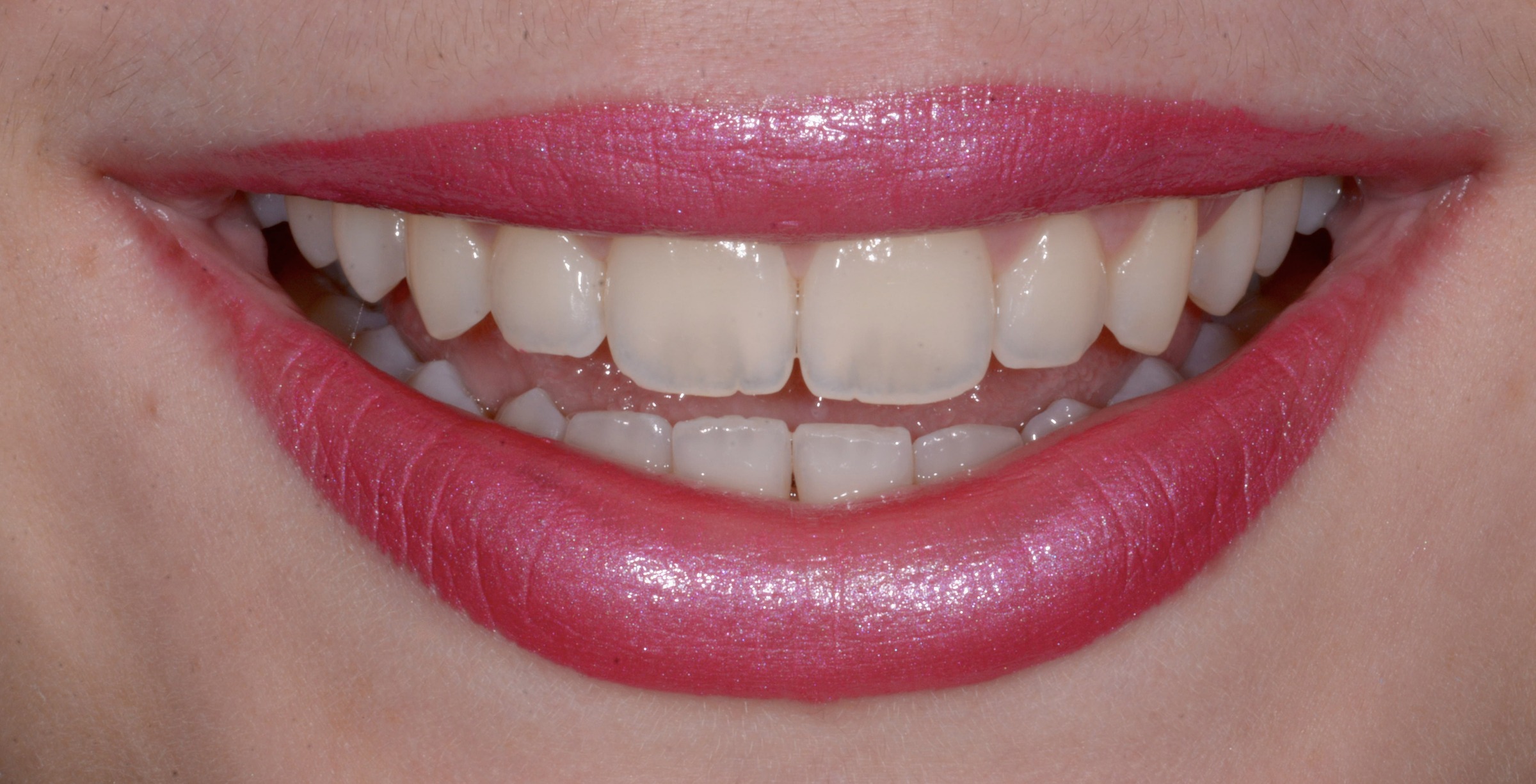
Bio-mimetic aesthetics
Will it be noticeable that a tooth has been restored?
The very aim of bio-mimetic aesthetics is that it should not be noticeable: a restoration that reproduces the colour, shape and translucency of the natural tooth. The result depends on the residual tooth structure, the choice of materials and the direct coordination with the dental laboratory.
Veneers or crowns: how is the choice made?
It depends on how much healthy tooth structure remains. When the residual enamel allows, the most conservative option is preferred, such as veneers or adhesive restorations; the crown is reserved for more compromised teeth. The choice comes from a clinical assessment, not a commercial preference.
Do aesthetic restorations last over time?
Their longevity depends on hygiene, occlusion and the control of habits such as bruxism. A well-designed and maintained restoration has a favourable prognosis: this is why the initial diagnosis and periodic check-ups are part of the treatment.