Studio Calesini
Our approach
A rigorous multidisciplinary approach, built on identifying the causes that produced the clinical problems present in each individual patient before planning any therapeutic hypothesis.
Studio Calesini
A rigorous multidisciplinary approach, built on identifying the causes that produced the clinical problems present in each individual patient before planning any therapeutic hypothesis.
Clinical methodology
The approach of Studio Calesini is defined by a fundamental principle: no treatment is planned before identifying the causes of the current clinical situation. No intervention takes place before the entire therapeutic sequence has been planned. Every therapeutic phase is documented and subjected to verification and reassessment before proceeding to the next.
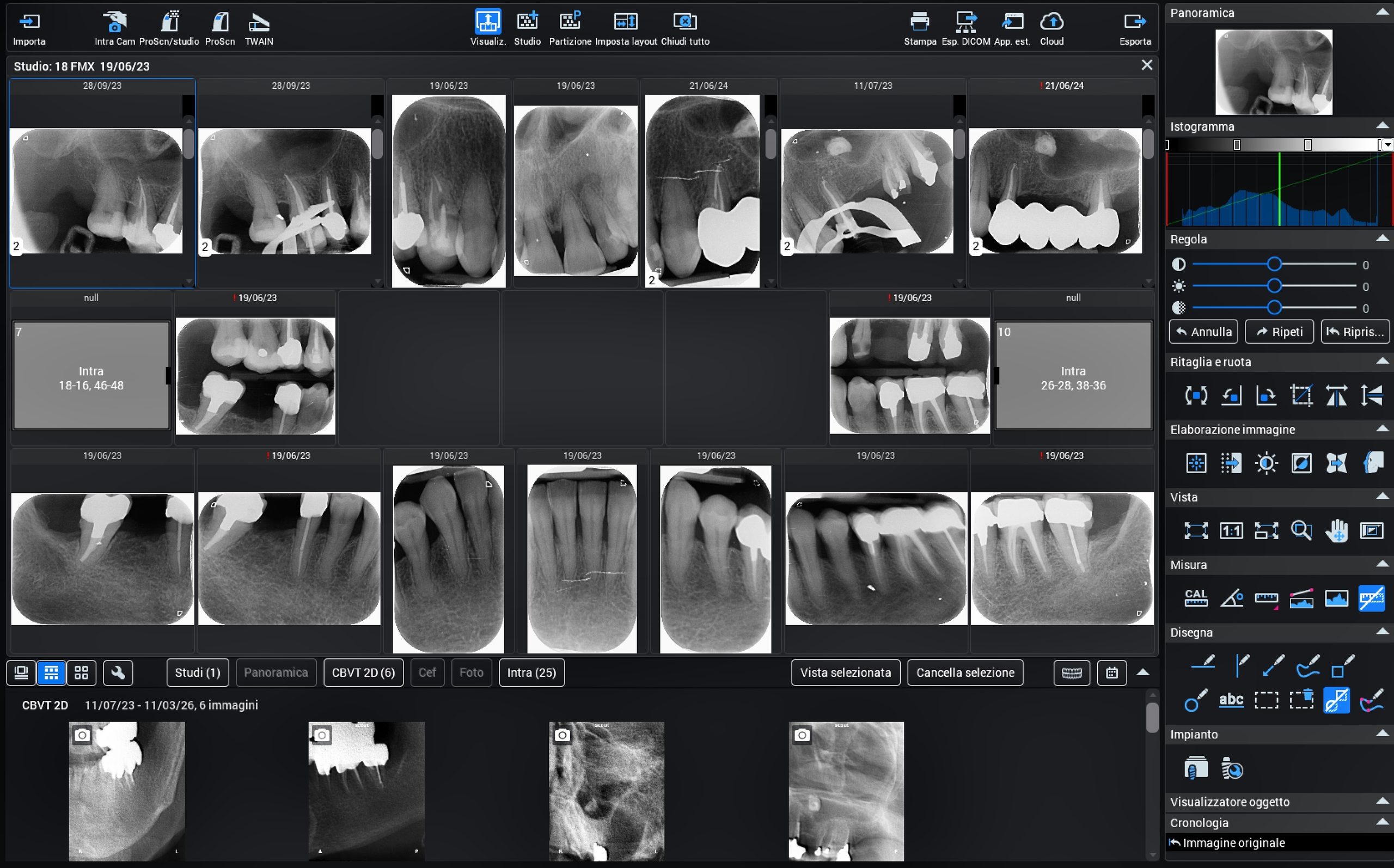
The treatment pathway begins before any operative sessions. A detailed medical and dental history, a comprehensive clinical examination, standardised photographic documentation, panoramic X-rays, cone-beam CT and, where necessary, study models and other instrumental examinations. The data must be sufficient to build a precise and complete diagnostic and prognostic picture.
No therapeutic decision is taken before this picture is complete.

In complex cases and retreatments, the priority question is not "what to do" but "why is the clinical situation as it is". The causes may be biological, biomechanical, behavioural or systemic: identifying them early is the prerequisite for any rational therapeutic planning.
A treatment pathway built without understanding the causes of the current picture exposes the patient to further complications and increasingly catastrophic failures, since their clinical situation is more critical than the biological context in which the previous treatments were carried out.
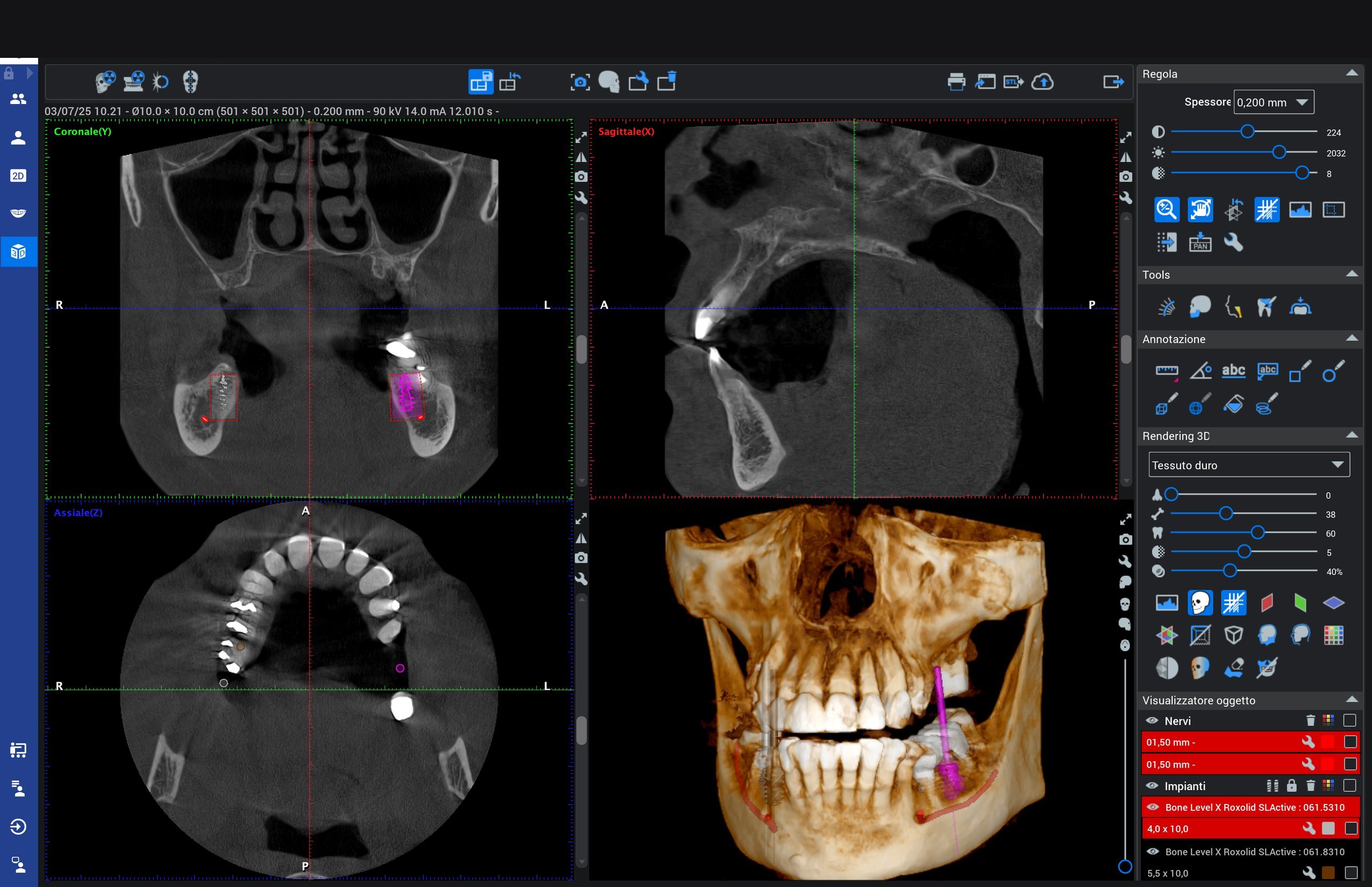
The treatment plan is structured in distinct phases with verifiable objectives, for example: causal therapy phase, surgical phase, provisional prosthetic phase, definitive prosthetic phase. Each phase has a precise clinical objective and defined evaluation criteria before proceeding.
Complexity, managed sequentially, is controllable. Complexity, addressed all at once, is dangerous.
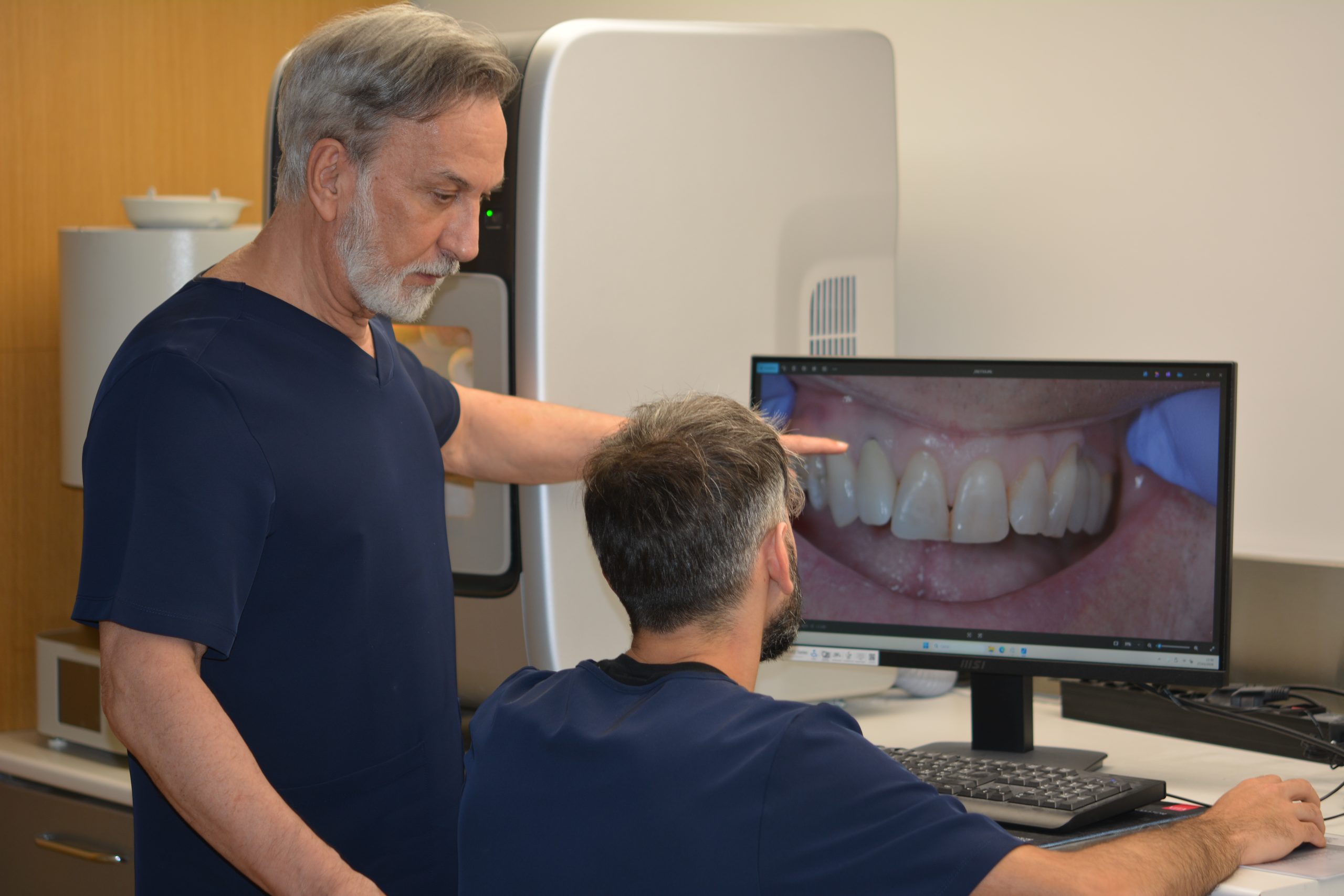
At the end of each therapeutic phase, the case is reassessed before proceeding to the next. The results obtained are documented and compared against the planned objectives. If something has not responded as expected, the causes are identified before proceeding with the next step, re-contextualising the entire therapeutic sequence if necessary.
This approach allows us to maintain control at every moment of the treatment pathway.
The patient receives honest and complete communication of the diagnosis and prognosis at every stage of the process: what is expected, what the risk factors are, what variables could modify the outcome. No promises are made that are not supported by clinical data and the individual patient’s biology.
Trust is built through transparency, not optimism.
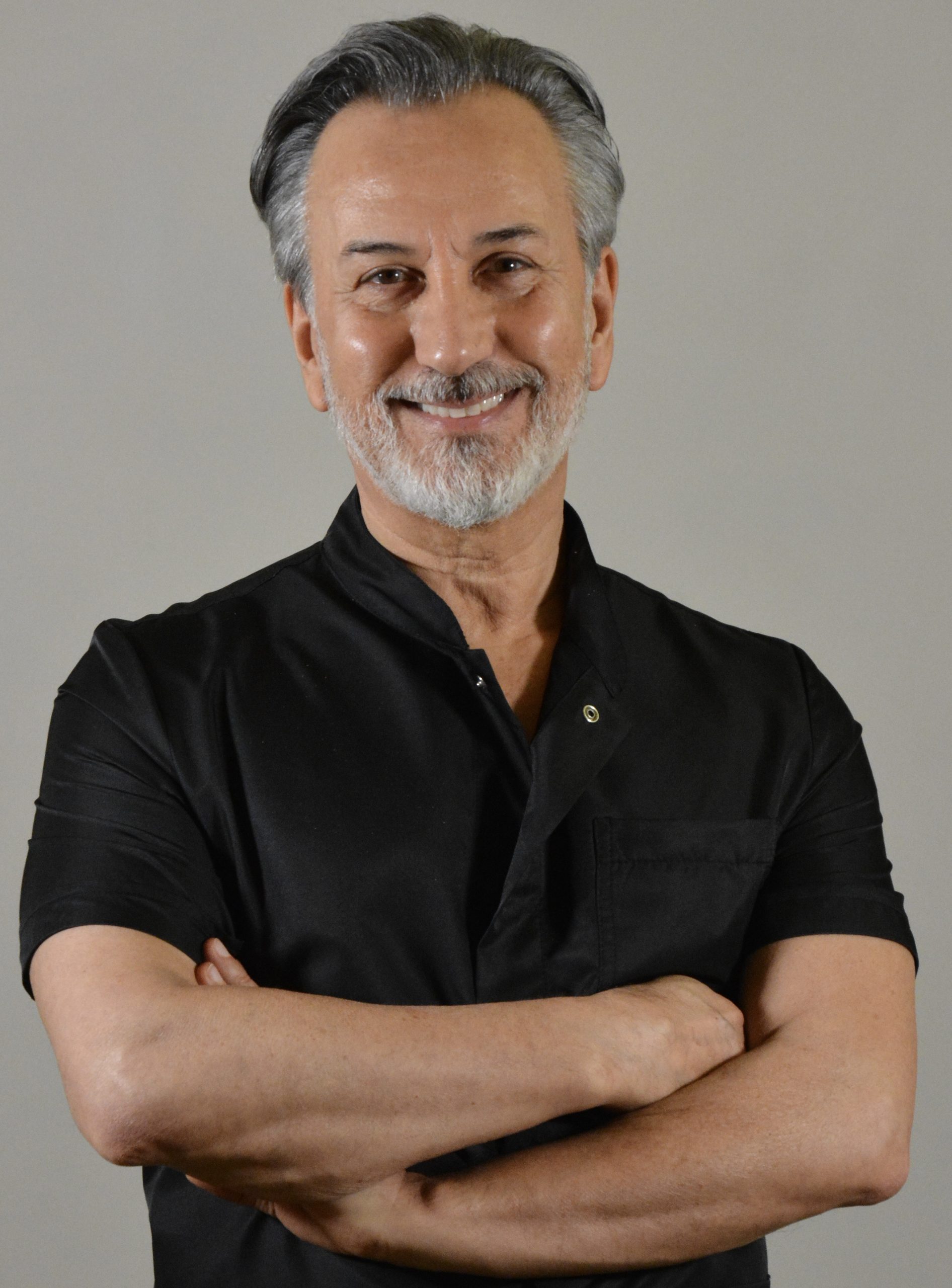
“Treatment is never planned before identifying the causes of the clinical situation. No intervention takes place before the operative sequence and its outcome verification phases have been planned. Every phase is documented, verifiable, reassessable.”Golden rule